Smiley Bunny: The Handwritten Font for Whimsical Brand Storytelling
In the fast-paced world of digital marketing, stopping the scroll is half the battle. When users swipe through Instagram feeds, scan YouTube thumbnails, or browse Pinterest boards, they are bombarded with polished, corporate, and often sterile visuals. To cut through that noise, brands need personality. They need a visual voice that feels human, approachable, and genuinely joyful. This is where Smiley Bunny, a delightful handwritten font from Script Amp, steps in as a strategic design asset rather than just a decorative afterthought.
As a content creator and designer who relies on typography to drive engagement, I have found that fonts do more than convey words; they set the emotional tone before a single word is read. Smiley Bunny brings a sense of joy and warmth to any project. Its playful strokes and endearing curves are not merely aesthetic choices—they are psychological triggers that invite the viewer in. Whether you are designing a campaign graphic, a reel cover, or a seasonal promotion, this typeface offers the whimsy needed to make your brand feel like a friend rather than a faceless entity.
The Visual Personality of Smiley Bunny
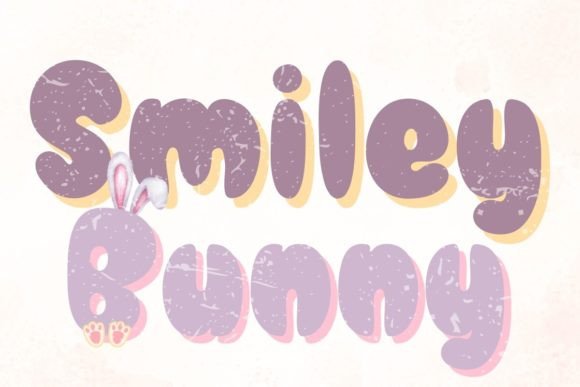
Smiley Bunny is best described as a creative script font that balances professionalism with playfulness. It is not a messy scrawl, nor is it overly formal. Instead, it features fluid, organic lines that mimic natural handwriting but with enough structure to remain legible. This balance is crucial for modern digital communication. In an era where attention spans are shrinking, readability is paramount. If a user has to squint to decipher your headline, you have already lost them.
The font’s charm lies in its subtle imperfections. The slight variations in stroke weight and the gentle curves give it a handcrafted feel, which is essential for building trust. Consumers today crave authenticity. A clean sans serif font might communicate efficiency, but a well-executed handwritten font like Smiley Bunny communicates empathy and care. It suggests that there are real people behind the brand, crafting messages with intention and heart. This makes it particularly effective for lifestyle brands, wellness products, children’s items, and personal coaching services.
Strategic Applications Across Digital Platforms
Understanding where and how to deploy Smiley Bunny can significantly impact your campaign’s performance. While it is a display font, its versatility allows it to shine in various contexts when used correctly. Here is how this typeface can elevate specific marketing channels:
- Social Media Graphics: For Instagram posts and Facebook ads, use Smiley Bunny for short, punchy headlines. Imagine a sale announcement that reads "Happy Savings" or a motivational quote for Monday morning. The font’s cheerful demeanor aligns perfectly with positive messaging, increasing the likelihood of shares and saves.
- YouTube Thumbnails: Thumbnails compete for attention in a crowded feed. Using Smiley Bunny for key text elements—such as "NEW VIDEO" or "BIG REVEAL"—can add a layer of excitement and curiosity. Ensure the text is large and contrasts sharply with the background image to maintain visibility on mobile devices.
- Email Headers: Email open rates depend heavily on subject lines, but preview text matters too. Using Smiley Bunny in the header of your newsletter can break up the monotony of standard corporate templates. It signals to the subscriber that the content inside is curated with care, potentially boosting click-through rates.
- Pinterest Pins: Pinterest is a visual search engine where aesthetics drive traffic. Pins featuring handwritten typography often stand out against grid-like layouts. Use Smiley Bunny for titles like "10 Easy Recipes" or "DIY Home Decor Ideas" to create an inviting, editorial look that encourages clicks.
- Web Design and Landing Pages: For landing pages targeting niche audiences, such as craft workshops or boutique shops, Smiley Bunny can serve as a hero headline. It adds character to web design without overwhelming the user experience, provided it is paired with a highly readable body font.
Enhancing Readability and Visual Hierarchy
One of the most common mistakes designers make with script fonts is overusing them. Smiley Bunny is powerful, but it works best as a supporting actor to your primary message. To ensure your marketing communication remains clear, focus on visual hierarchy. Use Smiley Bunny for headlines, callouts, and titles, but rely on a clean sans serif font for captions, disclaimers, and long-form body text.
This pairing strategy serves two purposes. First, it creates contrast. The organic flow of Smiley Bunny against the geometric stability of a sans serif font creates a dynamic tension that keeps the eye moving across the design. Second, it ensures accessibility. Screen readers and human eyes alike benefit from the distinction between decorative and functional text. For example, in a promotional banner for an online shop, you might use Smiley Bunny for "Summer Sale" and a simple Helvetica or Roboto for the details regarding dates and discount codes.
When designing for mobile screens, remember that Smiley Bunny’s curves need breathing room. Avoid crowding the text with other graphic elements. Give the letters space to expand so their unique shape can be appreciated. On small previews, such as social media story stickers or ad thumbnails, simplicity is key. Limit your text to one or two words per line to maintain legibility.
Influencing Audience Perception and Brand Recognition
Typography is a silent ambassador for your brand. Every time a user sees Smiley Bunny, they associate those playful curves with the values your brand represents. If you are launching a new product, using this font can soften the launch, making it feel less like a transaction and more like an invitation. For seasonal promotions, such as holiday greetings or spring refreshes, the font’s inherent cheerfulness amplifies the festive mood.
Consider a webinar banner for a creative workshop. By using Smiley Bunny for the title, you immediately signal that the event will be fun, interactive, and accessible. In contrast, a rigid, blocky font might suggest a dry, academic lecture. This subtle shift in perception can influence audience registration and engagement. Over time, consistent use of distinctive typefaces builds brand recognition. Users begin to identify your content by its typography alone, even before seeing your logo.
Practical Pairing Advice
To maximize the effectiveness of Smiley Bunny, consider these pairing strategies:
- The Modern Editorial Look: Pair Smiley Bunny with a classic serif font. This combination works well for blog headers, magazine-style layouts, and luxury packaging design. The elegance of the serif grounds the whimsy of the script, creating a sophisticated yet friendly vibe.
- The Clean Minimalist Approach: Combine Smiley Bunny with a geometric sans serif font. This is ideal for tech startups, app interfaces, or modern e-commerce sites. The contrast highlights the uniqueness of the script while maintaining a sleek, professional appearance.
- The Playful Educational Style: Use Smiley Bunny alongside a rounded sans serif font. This pair is excellent for educational content, children’s brands, and community-focused campaigns. Both fonts share soft edges, creating a cohesive and welcoming visual language.
Commercial Licensing and Best Practices
While Smiley Bunny is a versatile tool for marketers and designers, it is essential to respect intellectual property rights. Before incorporating this font into client campaigns, merchandise, digital products, or paid advertisements, review the commercial licensing agreement provided by Script Amp. Some fonts offer free personal use but require a license for commercial applications. Ensuring you have the proper permissions protects your brand from legal issues and supports the creators who produce these high-quality design assets.
Ultimately, Smiley Bunny is more than just a font; it is a tool for emotional connection. In a digital landscape dominated by algorithms and data, adding a touch of humanity through thoughtful typography can be the differentiator that turns a casual viewer into a loyal customer. By integrating Smiley Bunny strategically into your visual identity, you create content that not only looks good but feels right.